
Why Would a Child Need Occupational Therapy
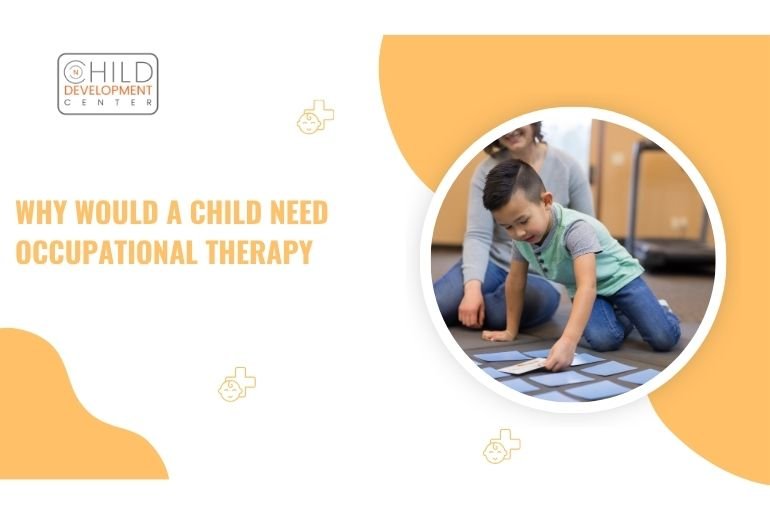
Every child develops at their own pace, but some may find everyday tasks—like writing, dressing, or focusing—more difficult than others. These challenges can impact their confidence and make it harder to keep up at home or school.
Occupational therapy for child development helps support their growth by teaching important skills in a way that’s gentle and encouraging. It’s a personalized approach that helps children improve their movement, focus, and emotional control—so they can feel more confident and capable in their daily life.
In this blog, we’ll explore when and Why Would a Child Need Occupational Therapy, how it works, and how early support can make a lasting impact.
What is occupational therapy for children?
Pediatric occupational therapy helps your child build the skills they need to handle daily activities more easily and independently. These may include tasks like getting dressed, writing, using utensils, paying attention in class, or managing emotions.
The goal of occupational therapy for child development is to support a child’s physical, cognitive, sensory, and emotional development in a way that’s tailored to their age and unique needs.
Pediatric occupational therapists use play-based activities, hands-on techniques, and customized exercises to help children build the strength, coordination, and focus required for daily life.
Why would a child need occupational therapy?
It’s not always easy to know when your child needs extra support—but certain behaviors or delays may suggest that occupational therapy for your child could be beneficial.
Here are some common signs to look out for:
- Difficulty with fine motor skills, such as trouble holding a pencil, buttoning clothes, etc.
- Avoiding tasks that require hand coordination
- Clumsiness or frequent falls
- Difficulty climbing stairs, catching a ball, or riding a bike
- Overreacting to sounds, textures, lights, or smells
- Seeking excessive movement, like spinning, crashing, jumping
- Trouble calming down or appearing overly sensitive to touch or clothing
- Poor posture or muscle tone
If these challenges are persistent, occupational therapy for child support can play a key role in helping them participate more fully in daily routines and school life.
What are the common conditions addressed by occupational therapy?
Autism Spectrum Disorder (ASD)
Children with autism may often experience difficulties with sensory processing, motor coordination, social interaction, and self-regulation. Occupational therapy helps them build daily living skills, improve focus, and better respond to their environment.
Attention-Deficit/Hyperactivity Disorder (ADHD)
Occupational therapy supports children with ADHD by improving attention, impulse control, planning, and organization. Therapists also work on classroom readiness skills and help children manage emotions and transitions more effectively.
Developmental delays
Children who are late to crawl, walk, talk, or reach age-appropriate milestones may struggle with skills needed for independence. Occupational therapy can help bridge these developmental delays and support overall development.
Physical disabilities
Conditions like cerebral palsy, muscular dystrophy, or spina bifida can limit movement and coordination. Occupational therapy provides strength-building exercises, adaptive strategies, and tools to help children navigate everyday life more comfortably.
Sensory processing difficulties
Some children have trouble interpreting and responding to sensory information (touch, sound, movement). Occupational therapy helps them regulate these responses, improving behavior, focus, and interaction with their surroundings.
Down syndrome
Children with Down syndrome may experience delays in motor and cognitive development. Occupational therapy supports on improving fine motor skills, muscle tone, and functional independence.
Fine and gross motor challenges
If your child has difficulty with writing, using scissors, zipping up clothes, running, or jumping, Occupational therapy can offer fun, goal-focused activities to strengthen coordination, balance, and control.
What are the benefits of occupational therapy for child development?
- Promotes independence – Helps children perform everyday tasks like dressing, eating, and writing with greater ease.
- Improves physical abilities – Enhances fine and gross motor skills needed for school, play, and self-care.
- Supports emotional resilience – Teaches children how to manage frustration, transitions, and emotional regulation.
- Builds self-esteem – Encourages confidence as children gain control over their bodies and environment.
- Enhances sensory processing – Helps children manage light, sound, touch, or movement sensitivities.
- Encourages active participation – Empowers children to join in activities at home, school, and with peers.
- Improves overall quality of life – By developing essential life skills, children feel more capable and connected.
- Fosters social engagement – Strengthens interaction skills, helping children connect better with others.
What can be expected in occupational therapy for children?
When your child begins pediatric occupational therapy, you can expect a compassionate, personalized approach to meet their developmental needs. The goal is to improve their daily functioning and overall quality of life.
Therapy sessions are designed to feel like play—using fun, engaging activities such as building, pretend play, or sensory exploration. Behind each activity is a purposeful strategy to enhance skills like fine and gross motor coordination, sensory processing, and self-care.
An experienced pediatric occupational therapist will create a safe, supportive environment where your child feels comfortable and encouraged. Sessions are guided by your child’s individual goals and adjusted as your child makes progress.
Our therapists may incorporate sensory integration techniques, use adaptive tools, or suggest exercises that help your child become more independent and confident.
Over time, you may notice improvements in how your child handles sensory input, social interaction, and daily tasks like dressing or feeding. These changes help build independence, confidence, and a strong foundation for long-term development.
The importance of early intervention
Identifying developmental challenges early makes a big difference. Early intervention with occupational therapy helps children when they’re most open to learning and building new skills.
The earlier the support begins, the better the chances for your child to gain confidence, build independence, and reach developmental milestones. If you notice ongoing patterns or delays, it’s wise to consult an occupational therapist for your child.
Early support not only addresses current challenges—it builds the foundation for future success
Recent Post

How long does Speech Therapy take for children?
How long does Speech Therapy take for children? Will my child ever catch up? It is one of the first questions that parents ask when

Signs Your Child May Need a Pediatric Psychologist
Signs Your Child May Need a Pediatric Psychologist Falling out with a friend, pre-exam nerves, or struggling with a new routine — these are moments

Speech Therapy for a Child With Cochlear Implant
Speech Therapy for a Child With Cochlear Implant At Child Development Center (CDC) in Dubai, we work with families navigating one of the most hopeful yet challenging
Contact Us
Visit Child Development Center (CDC) for occupational therapy in Dubai
At the Child Development Center (CDC), we offer expert-led occupational therapy for children in a supportive, child-friendly environment. Many parents often wonder, why would a child need occupational therapy—it can help children develop essential skills for daily activities, improve coordination, and support overall development.
Our modern occupational therapy room and dedicated sensory space allow for individualized, play-based therapy tailored to your child’s needs. Our occupational therapists collaborate closely with speech therapists, physiotherapists, and ABA specialists, ensuring a coordinated, multidisciplinary approach.
Using evidence-based, neuroaffirmative methods, we help children build independence, improve daily skills, and thrive with confidence. Book a visit to CDC and support your child’s developmental journey today.