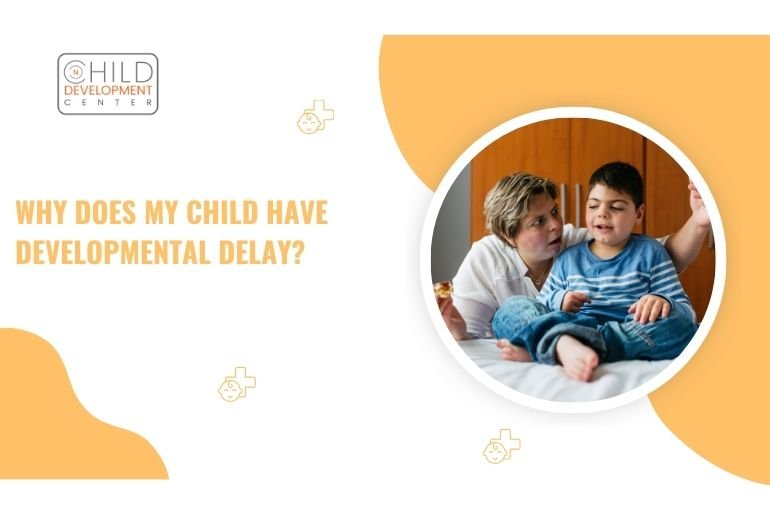

Why Does My Child Have Developmental Delay?
Every Child Grows at Their Own Pace – We’re Here to Support the Journey!
As parents, one of the most fulfilling journeys is watching a child grow, learn, and achieve milestones, from their first smile to their first steps. But when these milestones take longer than expected, it’s natural to worry.
Many parents ask: “Why does my child have developmental delay?” At Child Development Center (CDC), we understand how overwhelming these questions can feel. The good news is that with the right support, early intervention, and a compassionate approach, children with developmental delays can thrive.
Developmental Delay in Children – What does it mean?
Developmental delay in children occurs when they do not reach expected milestones in areas such as:
- Speech and language (talking, understanding words)
- Motor skills (walking, crawling, grasping objects)
- Cognitive skills (thinking, problem-solving, learning)
- Social and emotional development (interacting, responding, expressing emotions)
It’s important to note that every child develops at their own pace. Some children may walk a little later, while others may take more time to start talking. A developmental delay is not always permanent, but it does signal the need for closer attention and possibly early support.
Why does my child have developmental delay?
There are several reasons why developmental delay in kids may occur. These can vary widely, and in some cases, the exact cause may not be clear. Below are some common contributing factors:
1. Genetic Conditions
Certain genetic or chromosomal conditions, such as Down syndrome, can affect development. These conditions influence how a child’s brain and body grow.
2. Premature Birth
Babies born prematurely often need extra time to catch up on milestones, as their development begins outside the womb earlier than expected.
3. Hearing or Vision Problems
A child who cannot hear properly may have difficulties with speech, while vision problems can affect coordination and learning.
4. Environmental Factors
Exposure to toxins, malnutrition, or lack of stimulation in the early years may slow down development. Safe, supportive, and enriching environments help children learn and grow.
5. Medical Complications
Conditions such as infections during pregnancy, brain injuries, or chronic illnesses may also contribute to developmental delays.
Insights from twin and family studies: What do they reveal?
Twin and family studies offer strong evidence of the genetic roots of autism.
For example:
- Identical twins have significantly more likely to be diagnosed with Autism compared to fraternal twins.
- Siblings of individuals with autism are also at an increased risk compared to the general population.
These patterns reinforce the idea that genetic factors play a significant role in autism.
Recognizing the Signs of Developmental Delay
Parents are often the first to notice when something feels different.
Some early signs of developmental delay in kids include:
- Not rolling over, sitting, or walking at the expected age
- Limited babbling, gestures, or words by age 1–2
- Difficulty following instructions or playing with others
- Challenges in holding objects, scribbling, or feeding themselves
If you notice these signs, it’s not a reason to panic. Instead, it’s a signal to seek guidance. Early intervention is key to helping your child build skills and confidence.
The Role of Early Intervention
At CDC, we emphasize that early support makes a world of difference. Early intervention programs are designed to give children tools and therapies tailored to their needs. These may include:
- Speech therapy to encourage language development
- Occupational therapy to build fine motor and self-care skills
- Physical therapy to strengthen movement and coordination
- Behavioral and educational support to enhance learning and social interaction
Children’s brains are highly adaptable in the early years, which means the sooner support begins, the better the outcomes.
How parents can help at home?
Parents play a crucial role in supporting their child’s development.
Here are some positive steps to take:
- Engage daily: Talk, read, and play with your child regularly.
- Celebrate small progress: Every new word, movement, or skill is a step forward.
- Create a routine: Consistency helps children feel secure and learn better.
- Stay patient and encouraging: Developmental delay in kids is not your fault; it simply means your child may need more time and support.
A Positive Perspective
Hearing that your child may have a developmental delay can feel overwhelming, but it’s important to remember: a delay does not define your child’s future. Many children catch up completely, and others continue to grow and thrive with the right therapies and family support.
At Child Development Center (CDC), we believe in empowering children and families through compassionate care, expert guidance, and personalized plans. Each child’s journey is unique, and with encouragement, patience, and professional support, they can reach their fullest potential.
When to seek professional help?
If you ever wonder, “Why does my child have developmental delay?” or if milestones seem noticeably delayed, it’s best to consult a pediatric specialist. A developmental assessment can provide clarity and help determine what kind of support your child may need.
Recent Post

What Techniques Are Used in Behavioral Therapy for Children?
What Techniques Are Used in Behavioral Therapy for Children Children express their emotions and needs through behavior. But it’s essential to understand it’s not the

Is ADHD a Learning Disability? How it affects Children in School
Is ADHD a Learning Disability? How it affects Children in School Many parents and teachers ask the same question: is ADHD a learning disability? The

Why would a child need occupational therapy
Why Would a Child Need Occupational Therapy Every child develops at their own pace, but some may find everyday tasks—like writing, dressing, or focusing—more difficult
Contact Us
Get Deeper Insights and the Right Treatment for Developmental Delay in Children at CDC
Developmental delay in children can be challenging for families, but it’s also an opportunity to provide early, nurturing support.
With professional guidance, therapy, and a loving environment, children can flourish in their own time. At CDC, we walk alongside families to ensure every child has the chance to grow, learn, and shine.
Schedule a one-to-one interaction today.